How Lakara International Redefines Eco-Friendly Fashion Choices

Updated: 5 days ago
In a world increasingly aware of the environmental impact of our choices, Lakara International stands out as a beacon of hope in the fashion industry. With a commitment to sustainability, ethical production, and innovative design, Lakara is redefining what it means to make eco-friendly fashion choices. This blog post will explore how Lakara International is leading the charge in sustainable fashion, the practices they employ, and how consumers can make informed choices that benefit both the planet and their wardrobes.

Understanding Eco-Friendly Fashion
Eco-friendly fashion refers to clothing that is produced in a way that is environmentally sustainable. This includes using materials that are renewable, biodegradable, or recycled, as well as employing ethical labour practices. The goal is to reduce the carbon footprint associated with clothing production and consumption.
The Importance of Sustainable Fashion
The fashion industry is one of the largest polluters in the world. According to the United Nations, it accounts for about 10% of global carbon emissions. This staggering statistic highlights the urgent need for change. Sustainable fashion not only helps mitigate environmental damage but also promotes ethical labour practices and supports local economies.
Lakara International's Commitment to Sustainability
Lakara International has made it their mission to offer fashion that is both stylish and sustainable. Here are some key practices that set them apart:
1. Ethical Sourcing of Materials
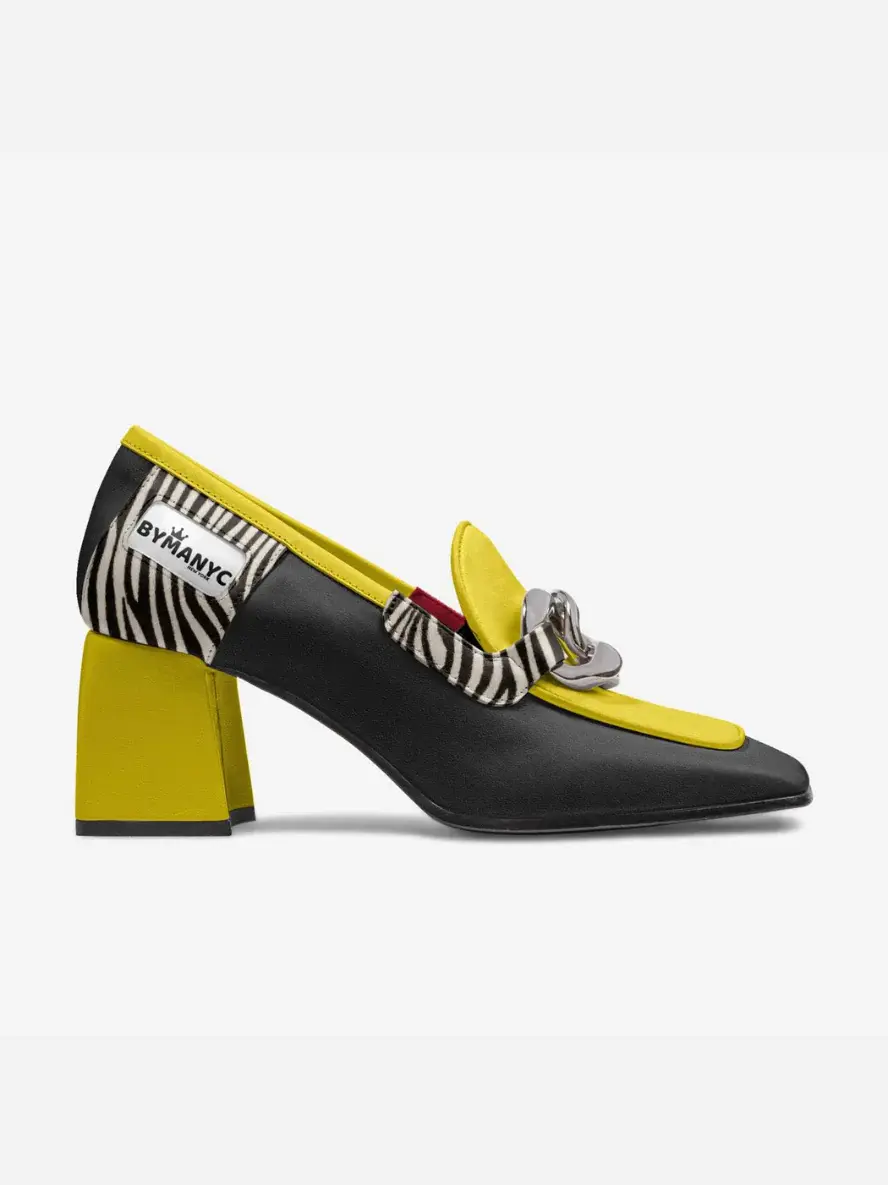
Lakara International prioritizes the use of organic and recycled materials. By sourcing fabrics like organic cotton, Tencel and recycled polyester, they reduce the need for virgin materials, which often require harmful chemicals and extensive water usage. This commitment to ethical sourcing ensures that every piece of footwear and bags is not only fashionable but also environmentally responsible.
2. Transparent Supply Chain
Transparency is crucial in the fashion industry. Lakara International provides detailed information about their supply chain or featured brands, allowing consumers to understand where and how their clothing is made. This transparency builds trust and encourages consumers to make informed choices.
3. Eco-Friendly Production Processes
Lakara supports eco-friendly production methods that minimize waste and energy consumption. For example, they utilize water-saving techniques and renewable energy sources in manufacturing facilities. This commitment to sustainable production helps reduce the overall environmental impact of their clothing.
4. Timeless Designs
Rather than following fleeting fashion trends, Lakara focuses on offering timeless designs that can be worn season after season. This approach encourages consumers to invest in quality pieces that last, reducing the need for constant purchasing and disposal of fast fashion items.
5. Community Engagement
Lakara International believes in giving back to the community. They aim to engage in various initiatives that support local artisans and promote sustainable practices. By collaborating with local communities, they can help foster economic growth while ensuring that traditional craftsmanship is preserved.
The Impact of Eco-Friendly Fashion Choices
Choosing eco-friendly fashion has a ripple effect that extends beyond individual consumers. Here are some of the broader impacts of supporting sustainable brands like Lakara International:
1. Reducing Waste
Fast fashion contributes significantly to textile waste, with millions of tons of clothing ending up in landfills each year. By opting for sustainable brands, consumers can help reduce this waste and promote a circular economy where clothing is reused and recycled.
2. Supporting Ethical Labor Practices
Many fast fashion brands exploit workers in developing countries, offering low wages and poor working conditions. By choosing companies like Lakara International that prioritize ethical labor practices, consumers can support fair wages and safe working environments for garment workers.
3. Encouraging Sustainable Practices
When consumers choose eco-friendly fashion, they send a message to the industry that sustainability matters. This demand encourages more brands to adopt sustainable practices, ultimately leading to a more environmentally friendly fashion landscape.
How to Make Eco-Friendly Fashion Choices
Making eco-friendly fashion choices doesn't have to be overwhelming. Here are some practical tips for consumers looking to embrace sustainable fashion:
1. Research Brands
Before making a purchase, take the time to research brands. Look for those that prioritize sustainability, ethical sourcing, and transparent supply chains. Websites like Good On You provide ratings for various fashion brands based on their sustainability practices.
2. Invest in Quality
Instead of buying multiple cheap items, invest in high-quality pieces that will last. Look for timeless designs that can be worn in various settings, reducing the need for constant shopping.
3. Shop Secondhand
Thrift stores and online resale platforms are great places to find unique, pre-loved clothing. Shopping secondhand not only reduces waste but also allows you to discover one-of-a-kind pieces.
4. Care for Your Clothes
Extend the life of your clothing by following proper care instructions. Washing clothes in cold water, air drying, and repairing damaged items can significantly reduce the need for replacements.
5. Participate in Clothing Swaps
Organizing or participating in clothing swaps with friends or community members is a fun way to refresh your wardrobe without buying new items. This practice promotes sharing and reduces waste.
The Future of Eco-Friendly Fashion
As awareness of environmental issues continues to grow, the demand for sustainable fashion will likely increase. Companies like Lakara International are paving the way for a more responsible fashion industry. By prioritizing sustainability and ethical practices, they are not only meeting consumer demand but also setting a standard for others to follow.
Innovations in Sustainable Fashion
The future of eco-friendly fashion is bright, with numerous innovations on the horizon. Here are a few trends to watch:
Biodegradable Fabrics: Research is ongoing into fabrics that break down naturally, reducing waste in landfills.
3D Printing: This technology allows for on-demand production, minimizing excess inventory and waste.
Blockchain Technology: This can enhance transparency in the supply chain, allowing consumers to trace the origins of their clothing.
Conclusion
Lakara International is at the forefront of the eco-friendly fashion movement, demonstrating that style and sustainability can go hand in hand. By making informed choices and supporting brands that prioritize ethical practices, consumers can contribute to a more sustainable future. As we move forward, let us embrace the power of our purchasing decisions and advocate for a fashion industry that respects both people and the planet.
By choosing to support sustainable brands like Lakara, we can redefine our wardrobes and make a positive impact on the world. The next time you shop, consider the choices you make and how they align with your values. Together, we can create a fashion landscape that is not only beautiful but also responsible.

Comments